

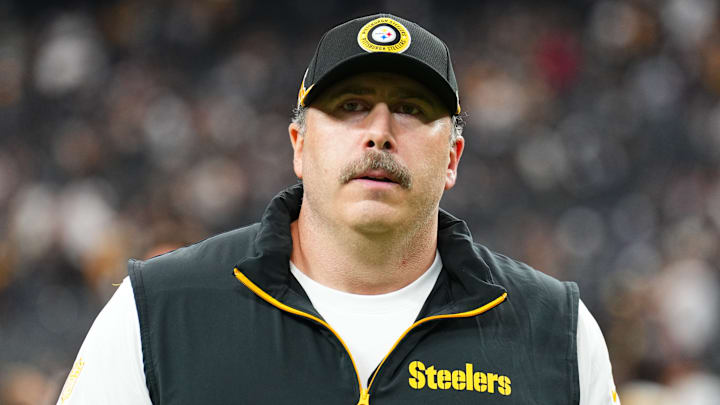
Big moments require stars to make big plays. During their Wild Card matchup against the Houston Texans, the Pittsburgh Steelers did make big plays. The problem? None of them were on offense.
Acrisure Stadium was electric from the opening kickoff. The energy felt different—heavier, louder, almost desperate. For Mike Tomlin and his team, this wasn’t just another postseason appearance. It was the franchise’s first home playoff game in years, a chance to rewrite a narrative that has lingered far too long. The crowd was ready. The moment was there. But through two quarters, Pittsburgh quietly began to self-destruct.
Not in obvious ways. Not with turnovers or blown coverages that make highlight reels for the wrong reasons. This unraveling was subtle, frustrating, and familiar.
Aaron Rodgers did his part early, leading the offense down the field with confidence and control on Pittsburgh's opening drives. The Steelers moved the ball. They crossed midfield. They looked capable. Yet when the dust settled, all that progress amounted to just six points. Meanwhile, Houston turned its lone red-zone opportunity into seven. That single-point gap felt far larger than it should have.
Third downs told the real story. Pittsburgh finished the first half 2-for-14 on third-down conversions, while Houston thrived, converting 10 of 15. Every stalled drive chipped away at momentum, draining the energy from the stadium one missed opportunity at a time. Explosive moments existed—they just never arose for Arthur Smith's group.
Defensively, Teryl Austin’s unit brought the kind of intensity that playoff football demands. Two forced C.J. Stroud fumbles and a redzone interception swung momentum squarely in Pittsburgh’s favor and briefly made the Texans look rattled. For a stretch, it felt like the Steelers’ defense could take over the game.
Then came Woody Marks.
Just when the defensive buzz seemed unstoppable, Houston’s running back answered with a physical, punishing drive. Marks bullied his way through Pittsburgh’s front, capping off a 14-play touchdown drive that accounted for Houston’s only offensive score. It wasn’t flashy. It was purposeful. And forced Arthur Smith's offense to respond.
The Pittsburgh Steelers must hold Arthur Smith accountable for huge Wild Card malpractice
That’s where the frustration set in.
Pittsburgh stayed within striking distance for as long as they could. An Aaron Rodgers meltdown in the fourth quarter resulted in two Houston defensive touchdowns. Yes, the 42-year-old veteran became a liability, but his errors were efforts to change the tide of the evening. They also resulted in 14 points for Houston's defense.
It was evident. The Texans defense outplayed, outsmarted, and outshined Arthur Smith.
In a playoff setting, matching your opponent isn’t enough. You have to seize control. Instead, Smith's group found themselves stuck in neutral, letting opportunities slip through their fingers. They were outgained by 233 yards—the worst yardage differential in franchise history.
Questionable situations piled up. Drives stalled. Big plays were nowhere to be found. The Steelers weren’t beaten—they were undone by inefficiency. It’s the kind of performance that doesn’t look disastrous on the scoreboard, but feels heavy when you know what could have been.
READ MORE: Dolphins nudge Steelers with massive distraction before Wild Card duel
Still, all is not lost.
The 30–6 loss was horrific. But it can be the start of a promising future. An embarrassing unraveling under the Acrisure lights will put pressure on Pittsburgh's front office to seek real change. Starting with the offense.
With Mike Tomlin stepping down as Head Coach, Pittsburgh needs a complete rebuild. It should involve detail and intention. The defense did its best to fend off a hungry Texans' team. However, the Steelers' offense continues to experience the same setback.
Playoff games don’t wait for teams to figure it out. Neither will the future. The malpractice fans witnessed during a must-win Wild Card game provided clarity amid sadness. The Steelers have walked the tightrope too long. Whether they fall—or finally break through—will depend on their willingness to part ways with Arthur Smith.
 Add us as a preferred source on Google