

The first round of the 2026 NFL Draft served as a massive building block for several franchises, especially the Pittsburgh Steelers. Hosting the event added an extra layer of excitement for fans and front offices alike, placing the organization at the center of the football world during a pivotal moment for Mike McCarthy’s new regime.
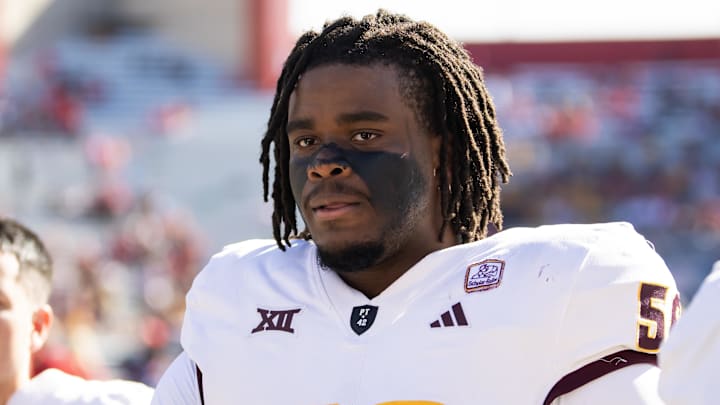
That excitement, however, quickly shifted when Omar Khan’s front office made a surprising move, using the 21st overall pick on Max Iheanachor. While the selection addressed a need along the offensive line, it also introduced a wave of questions that will not be answered anytime soon.
Upgrading the offense has been a clear priority for McCarthy.
However, wide receiver felt like the most logical direction. Makai Lemon, Jordyn Tyson, and Carnell Tate were all viewed as strong fits who could immediately contribute to the passing game. Unfortunately for the Steelers, those options steadily disappeared as the draft unfolded, leaving the front office with fewer appealing choices by the time they were on the clock.
That left fans and even some analysts searching for alternatives. Personally, I believed there was still a realistic path to improving the receiving corps. Omar Cooper Jr. stood out as an intriguing option, especially given his previous connection with wide receivers coach Adam Henry during his freshman season at Indiana.
It felt like a natural fit, one that could have added both familiarity and upside to the offense. Instead, Pittsburgh made a swift and decisive selection. While the pick appeared calculated, it ultimately became one of the most surprising reaches of the night.
The Pittsburgh Steelers took a huge gamble selecting Max Iheanachor 21st overall in the 2026 NFL Draft
To be fair, Max Iheanachor brings intriguing physical tools.
Standing at six-foot-five and weighing 321 pounds, he has the ideal frame to protect a quarterback’s blind side. His background in soccer and basketball is evident in his movements, which are unusually agile for a player of his size. Despite having only one year of experience playing American football, he still earned second-team All-Big 12 honors.
Still, the selection presents a dilemma for Steelers fans.
Addressing the offensive line makes sense with concerns surrounding Broderick Jones’ health. However, Iheanachor’s limited experience raises legitimate concerns about how quickly he can adjust to the NFL's speed and complexity. There were also other prospects on the board who arguably offered higher floors and more immediate impact.
KC Concepcion, a dynamic wide receiver, was someone I had been watching closely for months. He was selected just three picks later by the Cleveland Browns, adding to the frustration.
Safety Dillon Thieneman was another notable name who came off the board soon after, landing with the Chicago Bears. Both players represented opportunities to address different needs with more proven production.
The feeling of leaving value on the table is never easy, especially for a fan base eager to see tangible improvement. Investing in the offensive line is often viewed as a safe and responsible strategy. In this case, though, the risk feels more pronounced due to Iheanachor’s inexperience.
In the end, Pittsburgh secured a potential contingency plan at tackle, particularly if Jones is unable to stay healthy. Still, with multiple holes remaining on the roster, it is fair to question whether this was the best use of the 21st overall pick.
Only time will determine if this bold decision pays off, but for now, it is difficult to ignore the possibility that the Steelers reached.
 Add us as a preferred source on Google