

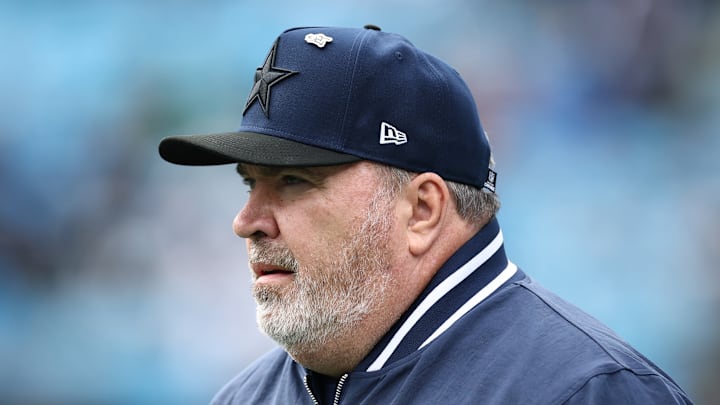
Mike McCarthy’s Introduction press conference on Tuesday afternoon felt like a moment frozen in Pittsburgh Steelers history. For the first time, the franchise introduced a head coach who grew up dreaming in Black and Gold, someone who understands the heartbeat of the city because it shaped him. The emotion was real. McCarthy fought through it, choosing his words carefully, clearly aware of the weight attached to standing at that podium.
The message was heartfelt, intentional, and honest. And then came the part that quietly shut down the biggest dream many Steelers fans were holding onto.
“I will call the plays on offense and sort of kind of run the offense,” McCarthy told reporters.
Just like that, the vision of a fresh, dynamic offensive coordinator swooping in to completely reinvent Pittsburgh’s attack faded into the background.
To be fair, McCarthy calling plays isn’t shocking. An 18-year head coach with a Super Bowl ring doesn’t come to Pittsburgh to hand over the keys. His résumé is built on quarterback development and offensive structure. His influence helped mold Aaron Rodgers into the gunslinger the NFL came to fear, and that history carries weight inside the building.
McCarthy believes in what he does—and more importantly, the Steelers hired him because they trust it. Still, for fans who spent months dreaming of a modern offensive architect, it stings.
The desire for change wasn’t subtle. It was loud. Steelers fans wanted an offense that felt unpredictable again, something explosive enough to escape the gravitational pull of “just good enough.” Names like Rams pass game coordinator Nathan Scheelhaase became symbols of that hope—a young, creative mind capable of reshaping the unit and earning his own shot at a head coaching job someday.
The Pittsburgh Steelers offensive future rest in Mike MCCarthy's hands
McCarthy’s declaration complicates that vision.
If the head coach is calling plays, the offensive coordinator's role becomes less appealing to ambitious young minds looking to leave their fingerprint on a franchise. For someone like Scheelhaase—who is already viewed league-wide as a future head coach—it’s fair to wonder if settling for a role without full control of the offense makes sense.
Especially when other opportunities might offer him the joystick, not just the passenger seat.
Scheelhaase is a high-value candidate. Asking him to step into a system where his creativity must funnel through another voice is a tall order. And yet, Pittsburgh still carries gravity. Working alongside McCarthy, learning within a franchise rich in history, and operating on a national stage could be enticing enough to keep the conversation alive. It wouldn’t be a compromise—it would be a calculated investment.
READ MORE: Steelers gave Mike McCarthy one massive job right out of the gate
But make no mistake: today, we know who will be holding the play sheet.
With McCarthy taking full command of the offense and Arthur Smith departing for Ohio State, the Steelers are committing to a clear direction. It’s one rooted in experience, quarterback development, and structure rather than experimentation. That alone brings stability to a unit that has lacked an identity for years.
Is it the boldest path forward? No. Is it the safest? Probably.
And while fans may feel their biggest dream slipping away, it doesn’t mean the ceiling is capped. McCarthy’s confidence, combined with the right supporting staff, could still elevate Pittsburgh’s offense beyond what we’ve seen recently. The future is bright—but Steelers fans will always wonder how much brighter it could have been with a fresh hand on the controls.
For now, the offense belongs to Mike McCarthy. And whether that choice silences doubts or fuels them will be decided on Sundays.
 Add us as a preferred source on Google