

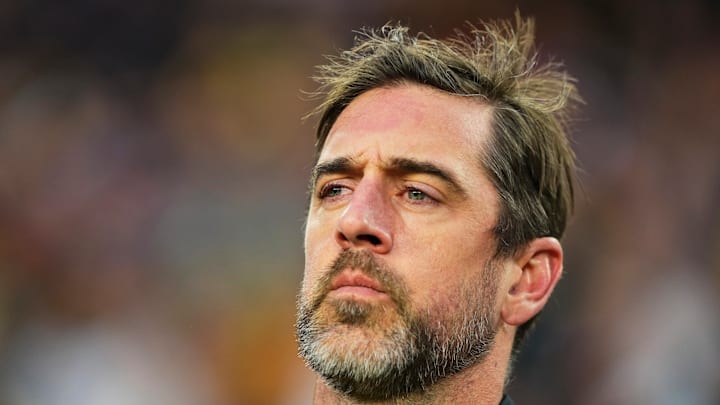
Poor decisions create a domino effect. On Sunday, the Pittsburgh Steelers watched everything collapse at once. Their lingering issues at the quarterback position continue to fester, and this time the weight fell directly on Aaron Rodgers.
The four-time All-Pro’s competitive spirit has been both a blessing and a curse throughout his professional career. It’s delivered magical moments—and unforgettable mistakes. Pittsburgh fans understood this duality the moment Omar Khan chased Rodgers throughout the offseason. It didn’t seem like the Steelers had much of a choice.
But on Sunday afternoon, they did.
Head Coach Mike Tomlin decided to start Rodgers despite his fractured left wrist, the same injury that sidelined him in Week 12 against Chicago. It was a decision fans didn’t fully trust but reluctantly accepted.
Rodgers wanted to play. The coaches wanted his experience. But wanting something and needing it are two different things.
The impatience to make an impact overshadowed the fact that Mason Rudolph had been steady enough to keep Pittsburgh functional. Rodgers’ desire to suit up against Buffalo may have been admirable on paper, but reality painted a different picture.
Tomlin and the staff believed Rodgers gave them the best chance to beat Josh Allen and the Bills. It proved to be the furthest thing from the truth.
From the first drive, Pittsburgh’s offense looked handcuffed. Rodgers couldn’t move the football. His wrist dramatically limited the play-calling and affected his accuracy and timing. Receivers struggled to catch anything with zip on it.
Every dropback looked labored. Every throw looked forced. It was clear Rodgers was playing hurt—and hurting the team in the process.
Aaron Rodgers’ ego cost the Pittsburgh Steelers a loss at the worse possible time
The moment he disappeared into the locker room early in the third quarter, many assumed Rudolph would take over for good. Instead, Rudolph entered cold and threw an unnecessary interception, and Rodgers—rather than accepting the moment—refused to stay seated.
Pride outweighed practicality. A quarterback unable to impact the game still convinced himself he gave the team a better chance than a healthy backup.
That’s not leadership. That’s ego.
The end result? The Steelers were left without a confident voice at the most important position on the field.
Pittsburgh handed the game to Buffalo without resistance. Rodgers finished with ten completions, 117 yards, and zero touchdowns. There’s no way to argue he gave the team a fighting chance. And yet Tomlin brushed it off afterward.
“Doesn’t matter. It doesn’t,” Tomlin told reporters. But anyone who watched the game knows it absolutely mattered.
I wish Rodgers had leaned on his experience and his veteran leadership and been honest about his limitations. Fans admire Iron Man toughness, but I can’t glorify being a detriment to productivity. That’s exactly what Rodgers was on Sunday afternoon.
His questionable decision-making and stubbornness were supposed to be traits of the past after his strong start in Pittsburgh. Instead, this misstep in judgment says a lot about where the future Hall of Famer is mentally—and how the Steelers must reassess their plans moving forward.
Sometimes the hardest leadership decision is admitting you can’t go. Rodgers didn’t make that choice. And the Steelers paid for it.
 Add us as a preferred source on Google